L'Univers FOODHUB · Guide · Wagyu
Wagyu Through the Eyes of Twenty French Michelin-Starred Chefs
Twenty Michelin-starred Wagyu dishes, and one finding: chefs rarely choose tenderloin. Top round, shank, flank, and short cooking times.
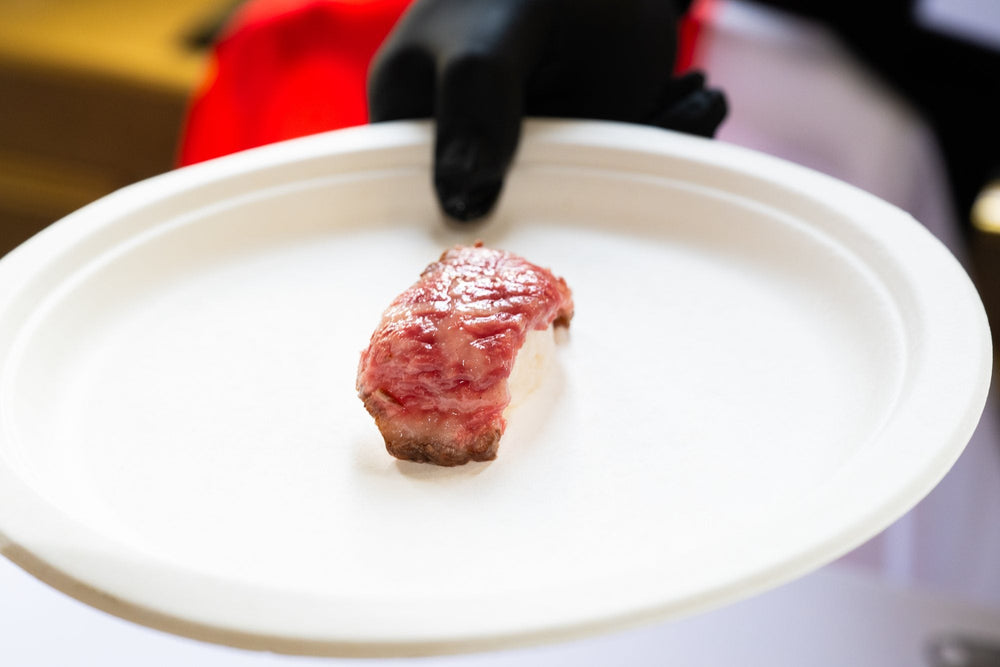
Twenty French Michelin-starred chefs have put Japanese Wagyu on their menus, each in their own way. Reading their twenty dishes one after another, one finding stands out, and it runs counter to everything we think we know: they almost never choose the most expensive cuts.
What these twenty menus reveal
Top round, shank, shoulder clod and chuck come up more often than tenderloin. Several chefs say it: in Wagyu, these so-called ordinary cuts never turn rubbery.
The twenty dishes
All twenty dishes now have a recipe adapted for home cooking: click on the name of the dish.
Five lessons from these menus
1. “Ordinary” cuts are their playground
Top round, shank, shoulder clod, chuck, flank: these are the ones that come up most. One chef sums up the idea: in Wagyu, cuts you would normally braise can simply be roasted, because their fibers stay tender. For you, this means you can entertain with Wagyu without buying tenderloin.
2. Cold and raw are everywhere
Carpaccio, tartare, meat seared then chilled: at least six dishes out of twenty. The reason is the one we explained in our article on rearing: Wagyu's aroma stays in the meat after cooking and comes back as you chew, even cold.
3. They all look for a counterpoint
Oyster, caviar, smoked eel, horseradish, citrus, vinegar, arugula, coffee. Brininess and acidity serve to cut through the richness of the fat. It is exactly the principle behind our spicy salad, in a Michelin-starred version.
4. Cooking is either short or very gentle
A quick sear on one side, low temperature on the other. In between, almost nothing. Several chefs insist on the melting point of the fat: exceed it for long and the cut empties out. One notable exception is Jérôme Nutile: on a heavily marbled rib, you actually have to go past rare for the fat to melt.
5. Nothing goes to waste
Trimmings are used for jus, the fat for frying vegetables or puffing rice. At home, it's the same: keep the strip of fat for searing, and the trimmings for a broth.
Where to start
If you are new to Wagyu, three of these twenty recipes require no particular technique:
- Christophe Quéant's carpaccio with pickles — no cooking, everything is prepared the day before.
- Joël Césari's grilled carpaccio with Comté — ten seconds under the broiler.
- Yoann Conte's plancha — the safest cooking method for a thick cut.
Japan seen from France
One detail recurs in almost all of these chefs' comments: surprise. Several say they hesitated, out of loyalty to local products, before being won over by the ingredient. And many compare Wagyu to another French product: pan-seared foie gras, for its texture and low melting point.
Frequently asked questions
Which cut do Michelin-starred chefs choose?
More often top round, shank, rump or flank than tenderloin. They are looking for texture and flavor, not just marbling.
Should Wagyu be cooked for a long time?
No. Quick cooking dominates; when cooking is long, it is very gentle, at low temperature or in broth.
What should you serve with Wagyu?
A briny or acidic counterpoint: oyster, caviar, citrus, horseradish, vinegar, bitter greens. Avoid sweet and rich sauces.
Can you recreate these dishes at home?
Yes: all twenty have a version adapted for home cooking, accessible from the table above.
Further reading
The cuts they talk about


Dishes and comments from the “Japanese Wagyu” menu booklets produced in France by J-LEC, the Japan Livestock Products Export Promotion Council. The descriptions above are summaries written by FOODHUB; the recipes belong to their authors.
Les coulisses, les arrivages et les recettes en vidéo :
@foodhubsupplyÀ lire aussi · Wagyu